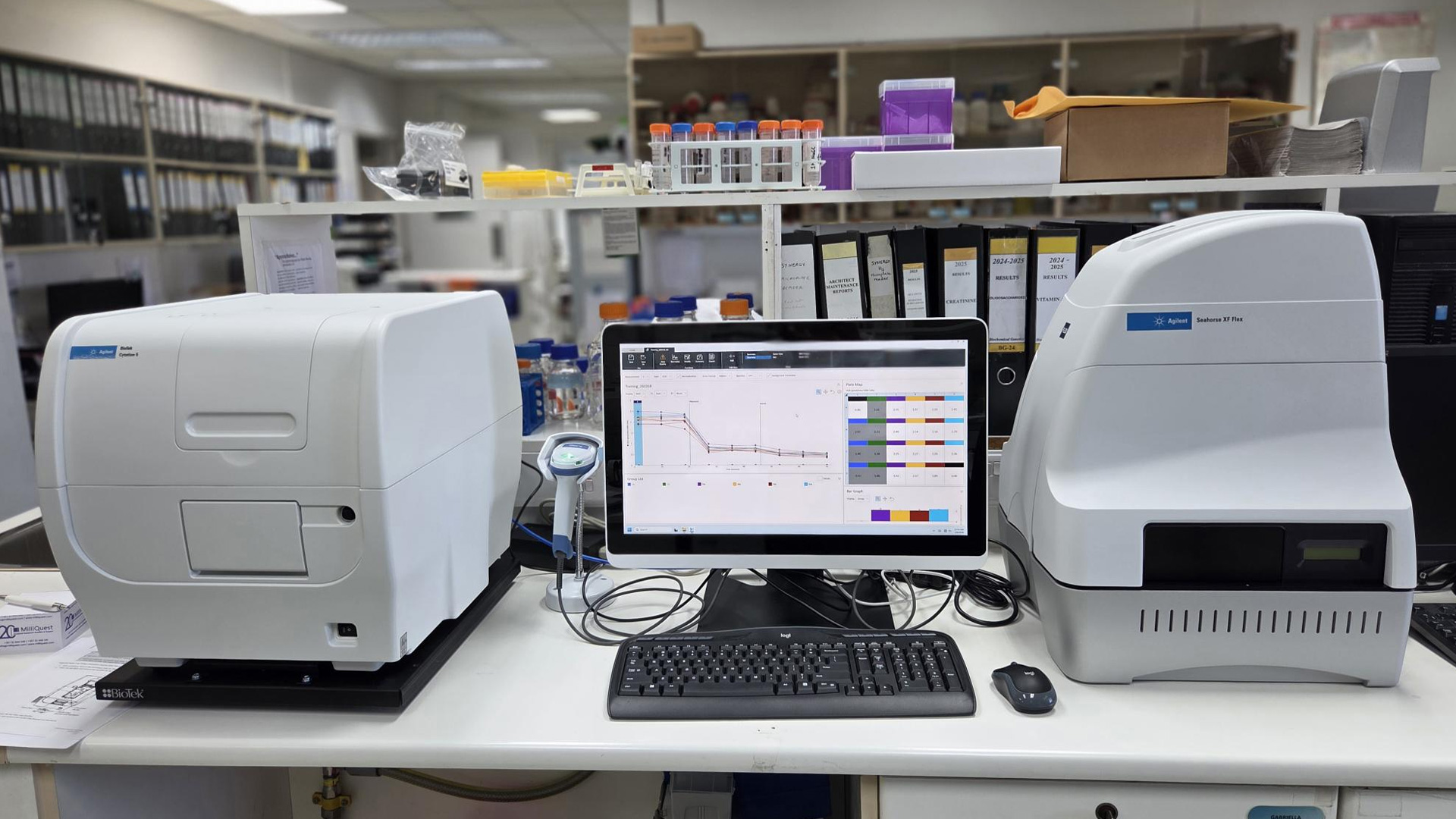
Measure oxygen consumption rate (OCR), extracellular acidification rate (ECAR/PER) and ATP production rate in live cells – choose the XF Pro, XF Flex or XF HS Mini to match your throughput and sample type.

Agilent in India

30+ Years Enabling Indian Labs

Installation, Training, Application & Service Support Across India

Supporting India’s leading research, academic & biopharma institutions
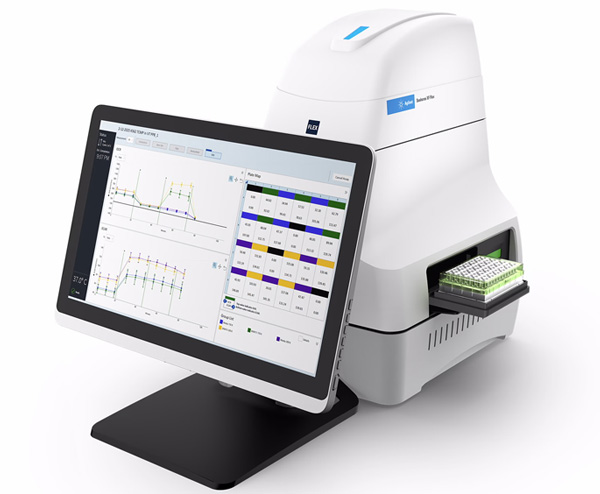
The Agilent Seahorse XF platform lets you watch cellular energy metabolism happen in real time. In a single assay, each analyzer reports oxygen consumption rate (OCR), proton efflux rate (PER) or extracellular acidification rate (ECAR), and ATP production rate from live cells - the core readouts of mitochondrial respiration and glycolysis. Together these reveal mitochondrial health, metabolic toxicity, and overall cellular function in cultured cells, ex vivo samples and 3D models. Medispec supplies all three Seahorse XF analyzers in India, backed by local installation, application support and service. Use the comparison below to find the right fit, then request a quote.



Cloud-enabled Seahorse Analytics provides advanced data visualisation, quality control, and interpretation for streamlined metabolic research.
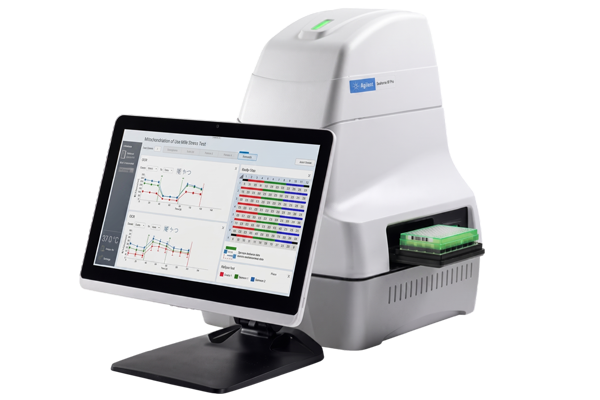
Integrated Seahorse Analytics enables secure web-based analysis, automated quality assessment, and advanced data visualisation.
Compact footprint, exceptional sensitivity, and simplified workflows make the XF HS Mini Analyzer ideal for laboratories working with limited sample availability.
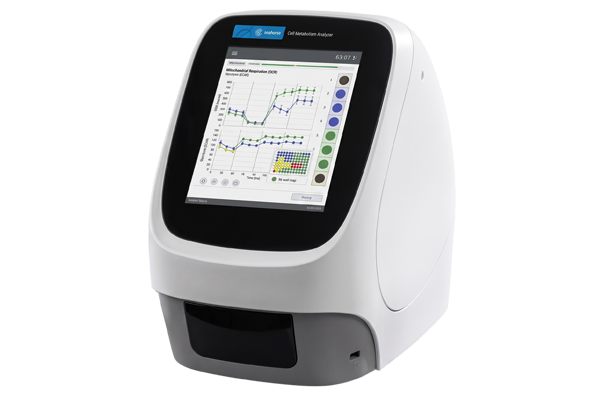
| Specification | XF Pro | XF Flex | XF HS Mini |
|---|---|---|---|
| Plate format | 96-well |
24-well |
8-well miniplate |
| Throughput | Highest – up to 80 groups/plate (n = 1, screening) |
Medium – up to 7 groups (n = 3) |
Focused / low – recommended up to 2 groups (n = 3) |
| Best-fit samples | Phenotypic screening; testing many conditions at once; dose-response studies; 2D cultured cells and ex vivo samples |
3D models – organoids, tissue, small model organisms; differentiated cells |
Quantity-limited primary cells; low-respiring cell types; T cell subsets |
| Sensitivity | High sensitivity. Verified performance range: OCR 13–350 pmol/min, PER 50–950 pmol/min. Tight error down to OCR of 13 pmol/min. |
High sensitivity. Verified performance range: OCR 30–1050 pmol/min, PER 100–2500 pmol/min. Tight error down to OCR of 30 pmol/min. |
Highest sensitivity. Tight error down to OCR of 7 pmol/min when combined with the HS miniplate. |
| Reads | OCR, PER/ECAR, ATP rate |
OCR, PER/ECAR, ATP rate |
OCR, PER/ECAR, ATP rate |
| Injection ports | 4-port + auto-mix |
4-port + auto-mix |
4-port + auto-mix |
| Assay temperature | 16–42°C (8–20°C above ambient) |
16–42°C (8–20°C above ambient) |
16–42°C (12–20°C above ambient) |
| Software | Wave Pro Controller + Seahorse Analytics |
Wave Flex Controller + Seahorse Analytics |
Integrated onboard touchscreen software + Seahorse Analytics (web) |
| Choose it for | High-throughput screening; dose-response studies; lowest cost/well; XF T Cell Metabolic Profiling & Mito Tox assay compatibility |
3D/organoid/tissue work; differentiated cells; spheroids; wide signal range |
Limited/quantity-restricted biomaterial; low-respiring cells and T cell subsets; simple setup for smaller projects |





Metabolic data is only as meaningful as the cell counts behind it. Seahorse XF Analyzers pair directly with BioTek Cytation 1 and Cytation 5 imagers to bring standardized, cell count-based normalization into every XF assay. Before or after a Seahorse run, Cytation images the same plate to document cell number and confluency, and those counts are applied straight to the OCR and ECAR/PER data – turning raw metabolic readouts into normalized values that can be compared plate-to-plate, experiment-to-experiment, and well-to-well.
The two systems operate from a single controller, so data moves between them without manual transfer or extra software. Brightfield and fluorescence images, along with normalization values, are associated directly in WAVE software alongside the metabolic results, giving a complete picture: what the cells looked like, how many there were, and how they performed metabolically – all in one dataset. The result is easier interpretation of XF data, fewer outliers from uneven seeding, and more reproducible live-cell assays.








Used by leading institutions driving scientific progress across India and globally.
Real-time cell metabolic analysis is a live-cell technique enabled by Agilent Seahorse XF technology that measures mitochondrial respiration and glycolysis simultaneously in real time, revealing how cells produce and use energy to support activation, proliferation and other cellular functions.
ATP level shows how much ATP is present in a cell at a specific moment, while ATP production rate measures how quickly ATP is being generated. Seahorse XF Real-Time ATP Rate Assay Kits simultaneously quantify ATP production from both mitochondria and glycolysis, providing a dynamic picture of cellular energy metabolism.
Oxygen Consumption Rate (OCR) is a direct measurement of mitochondrial respiration. It indicates how much oxygen cells consume through the electron transport chain during aerobic respiration and serves as a key indicator of mitochondrial function.
The Substrate Oxidation Stress Test measures how cells switch between fatty acids, glucose/pyruvate and glutamine under increased energy demand, revealing cellular fuel dependency and metabolic flexibility.
The Glycolytic Rate Assay quantifies glycolysis in real time using glycoPER, a parameter that corrects for acidification caused by mitochondrial CO₂. This provides a more accurate and dynamic measurement than traditional endpoint lactate assays.
The Glycolysis Stress Test is a semi-quantitative ECAR-based assay that measures glycolytic capacity under basal and stressed conditions. Because it requires glucose starvation before the assay, it may not fully represent physiological glycolysis. The Glycolytic Rate Assay is the preferred alternative.
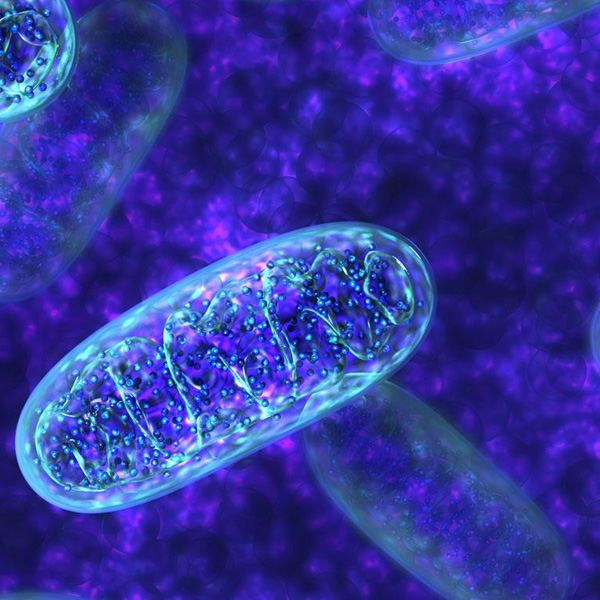
OCR is a dynamic measurement of mitochondrial function and respiration, while mitochondrial mass simply indicates the amount of mitochondria present in a cell. Mitochondrial mass often remains constant even when mitochondrial function changes significantly.
OCR reflects electron transport chain activity and changes rapidly with cellular metabolism. Mitochondrial membrane potential measures the proton gradient across the inner mitochondrial membrane, which generally remains more stable and is therefore less sensitive to metabolic changes.
Mitochondrial dysfunction is a major cause of drug toxicity and late-stage drug failure. Real-time Seahorse XF analysis detects mitochondrial dysfunction early, while the Seahorse XF Mito Tox Assay provides a Mitochondrial Toxicity Index (MTI) to quantify both the extent and mechanism of toxicity.
Seahorse assays use solid-state sensors to create a temporary microchamber above live cells, enabling label-free measurement of OCR and PER/ECAR. Up to four compounds can be injected automatically during a 60–90 minute assay, and results are analyzed using Wave software or Seahorse Analytics.
Metabolic reprogramming is involved in many diseases. It drives cancer through the Warburg effect, regulates immune cell activation and T-cell function, contributes to neurodegeneration and aging through mitochondrial dysfunction, influences stem cell fate, and plays a central role in diabetes, obesity and insulin resistance.
Medispec India is the authorized channel partner of Agilent laboratory equipment, providing local sales, installation, certification, and service support.

Built on long-term partnerships, Medispec connects global technology innovators with India’s research, healthcare, and life science ecosystem.
All © Rights Reserved Medispec
A Wing, Unit No – 601,
Lotus Corporate Park, Jay Coach,
Off Western Express Highway,
Goregaon (East),
Mumbai – 400063, India