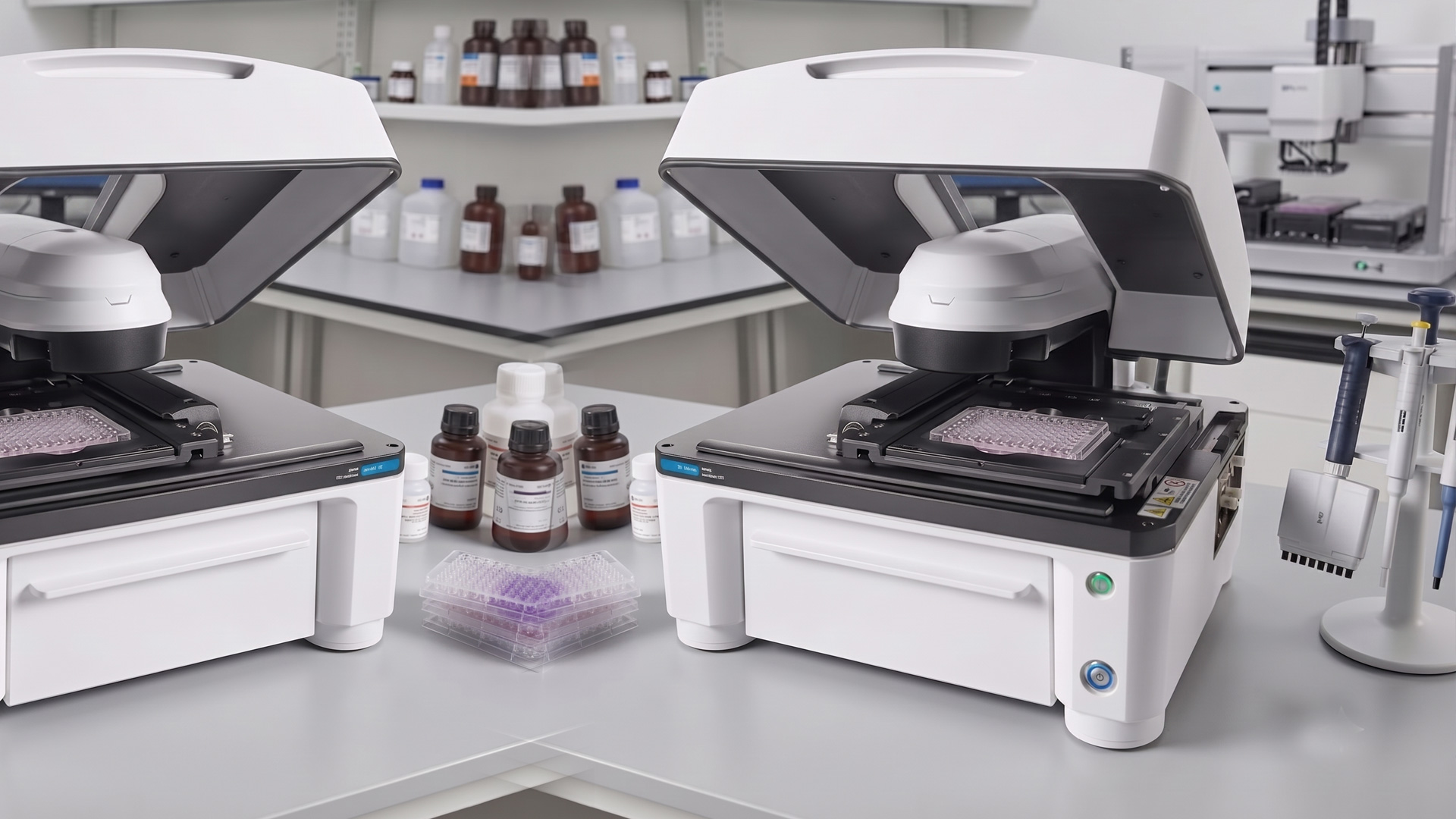
Integrated microscopy and imaging systems for live-cell analysis, phenotypic screening, and advanced cellular workflows.

Agilent in India

30+ Years Enabling Indian Labs

Installation, Training, Application & Service Support Across India

Supporting India’s leading research, academic & biopharma institutions
Agilent BioTek cell imaging and microscopy systems bring automated microscopy together with multimode microplate detection in a single, modular family, all running Gen5 microplate reader and imager software. Choose a standalone automated microscope, an affordable imaging multimode reader, a bench-size confocal imager, or a fully automated live-cell system - and add imaging modes, detection modes, environmental control, and automation as your work grows.
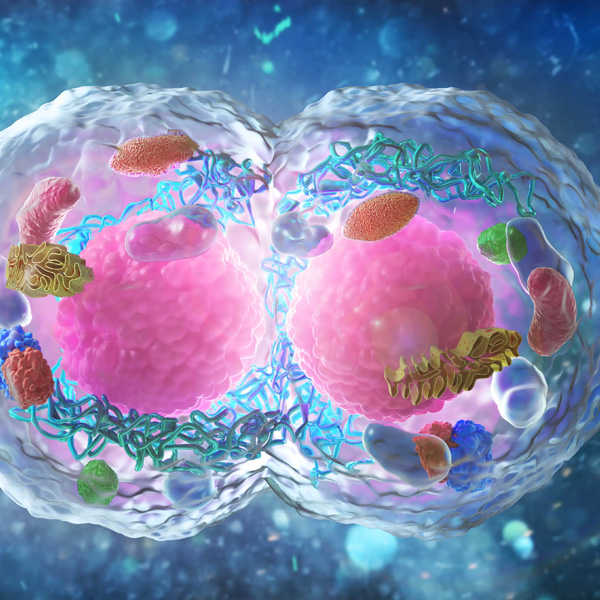


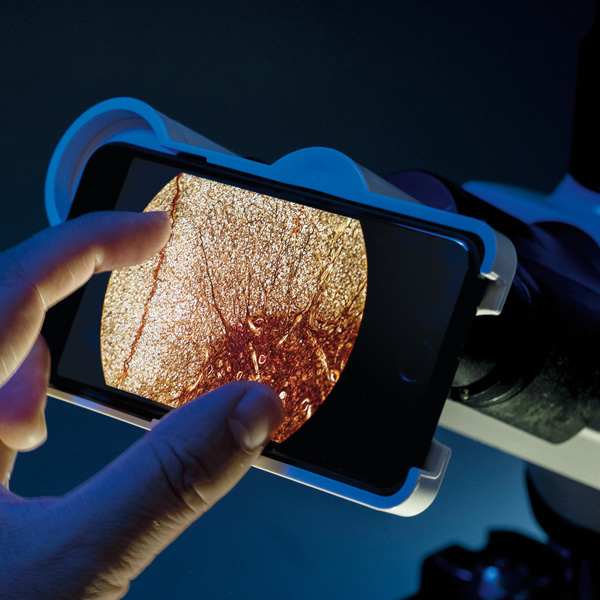
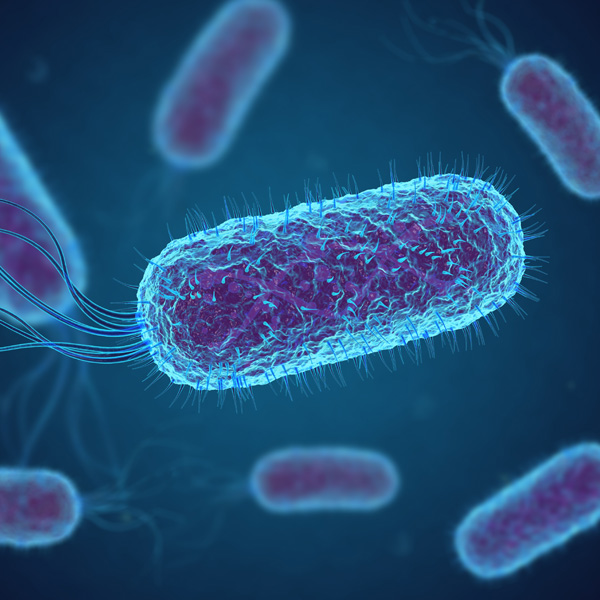
Designed to simplify automated microscopy while delivering high-quality images and quantitative analysis for routine research.
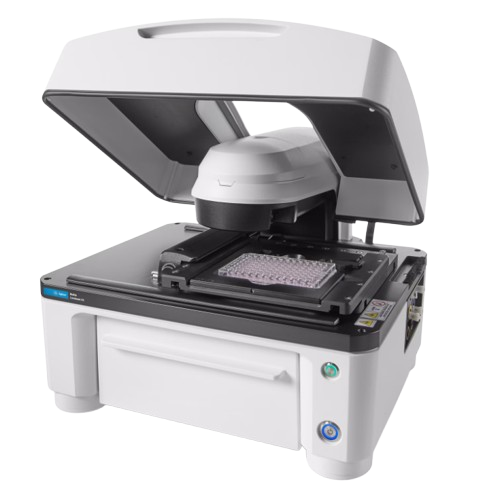
Combining confocal imaging with multimode detection enables deeper biological insights from complex cellular models.
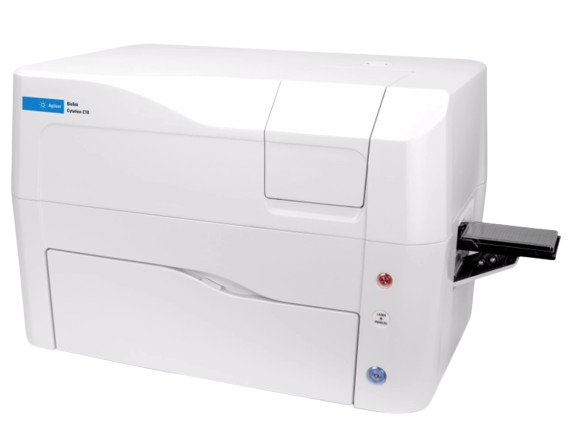
An ideal entry-level solution for laboratories looking to combine automated imaging with multimode microplate detection.
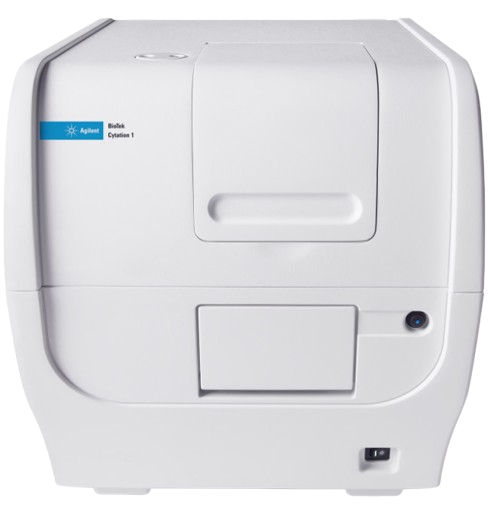
BioSpa transforms individual laboratory instruments into a fully automated live-cell analysis workflow, reducing hands-on time while improving experimental consistency.
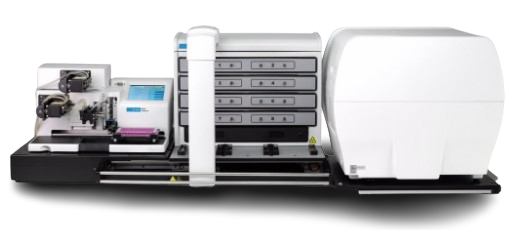
Designed for laboratories that require the broadest assay capability by combining advanced dual microscopy with comprehensive multimode detection in one scalable platform.
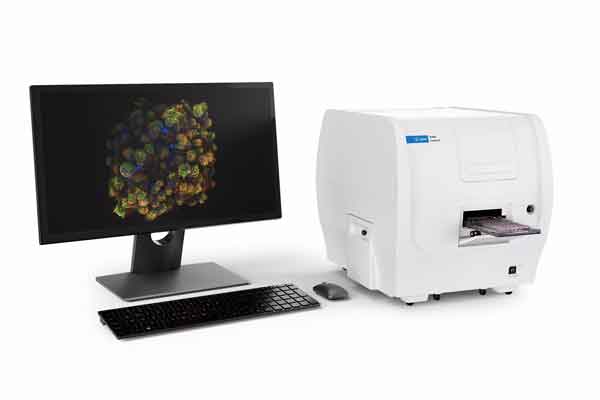
A side-by-side view to match the right platform to your work. Note that these are not all the same class of instrument: the Lionheart LX is a microscope with no plate reader, and the BioSpa is a live-cell system built around a separate reader or imager. A dash marks a spec that doesn’t apply to that model or isn’t published for it.
| Specification | Lionheart LX | Cytation C10 | BioSpa Live-Cell System | Cytation 9 | Cytation 1 |
|---|---|---|---|---|---|
| Type | Automated microscope | Confocal imaging reader | Live-cell system | Cell imaging multimode reader | Cell imaging multimode reader (entry-level) |
| Microscopy | Widefield | Confocal + widefield | Via paired imager | Widefield - inverted and upright | Widefield (fluorescence + high-contrast brightfield only) |
| Multimode plate reading | - | Abs, FL, Lum | Via paired reader | Abs, FL, Lum, FP, TRF, Alpha | Abs, FL, Lum, FP, TRF |
| Objectives | 1.25–100x | 1.25–60x (+ water, confocal) | Via paired imager | Inverted 1.25–60x; upright finder scope, 2x/4x/8x | 1.25–60x |
| Objective turret | 6-position | 6-position | - | 6-position (inverted) | 2-position |
| Variable-bandwidth optics | - | 9–50 nm quad mono | - | 9–50 nm quad mono | (filter-based FL/Lum; monochromator for Abs only) |
| Camera | Sony CMOS 16-bit | Hamamatsu sCMOS + Sony CMOS | Via paired imager | Sony CMOS 16-bit WFOV (inverted) + color WFOV (upright) | Sony CMOS 16-bit grayscale |
| Environmental control | - | To 45 °C, CO₂/O₂ | To 45 °C, CO₂/O₂ (8 plates) | To 65 °C, 4-Zone CO₂/O₂, Peltier cooling | To 45 °C, CO₂/O₂, Peltier cooling available |
| Take3 microvolume | - | - | - | Yes - 16–48 samples, 2 µL | Yes - 16–48 samples, 2 µL |
| Automation | - | BioStack, BioSpa 8 | Up to 8 plates (is the automation) | BioStack, BioSpa 8, 3rd-party | BioStack, BioSpa 8, BenchCel, 3rd-party |
| Software | Gen5 | Gen5 | Gen5 + BioSpa | Gen5 (+ Image+, Image Prime, Secure) | Gen5 (+ Image+, Image Prime, Secure) |
| Choose it for | Standalone microscopy | Confocal detail on the bench | Walk-away multiplate live-cell | Dual-microscopy + multimode flagship | Affordable entry into imaging + multimode |





Cytation 1 and Cytation 9 aren’t limited to standalone imaging workflows – they integrate directly with Agilent Seahorse XFe and XF Pro Analyzers to close the loop on live-cell metabolic experiments. While Seahorse XF measures real-time oxygen consumption rate (OCR) and extracellular acidification rate (ECAR) to capture mitochondrial respiration and glycolysis, Cytation supplies the cell count data needed to normalize those measurements accurately.
Cytation’s automated brightfield and fluorescence imaging (1.25–60x) documents each well’s cell population, and that count is applied directly to the XF dataset through a shared controller and WAVE software – no separate normalization step required. The result: seeding inconsistencies get caught early, and metabolic data stays reliably comparable across wells and experiments.








Used by leading institutions driving scientific progress across India and globally.
A cell imaging multimode reader combines automated microscopy with multimode microplate detection in a single instrument. Agilent BioTek Cytation systems perform cell-based imaging and biochemical assays on one platform and can be expanded with additional modules as research needs grow.
Cell imaging multimode readers support a wide range of live-cell, fluorescence, brightfield, cell counting, viability, phenotypic screening, and biochemical microplate assays, providing both imaging and quantitative detection in a single workflow.
Cytation and Lionheart systems support up to four fluorescence channels plus brightfield imaging, with multiple filter cubes and LED options available for imaging a wide variety of fluorophores.
Widefield fluorescence models use high-performance LED illumination. The Cytation C10 additionally features a six-line laser for confocal imaging, providing stronger excitation and improved optical sectioning.
Yes. Both Cytation and Lionheart systems use high-contrast brightfield imaging to perform fast, label-free automated cell counting without requiring fluorescent dyes.
Both image-based and laser autofocus options are available. Image-based autofocus is ideal for 3D cultures and thick samples, while laser autofocus is optimized for live-cell imaging, high-throughput screening, and standard 2D cell culture.
Long-working-distance semi-apochromat objectives are suitable for most applications. Phase-contrast objectives are required for phase imaging, while water- and oil-immersion objectives provide maximum resolution for advanced live-cell and confocal imaging.
Lionheart is an open-stage automated microscope designed for high-resolution live-cell imaging, long-term kinetic studies, and slide scanning. Cytation combines automated microscopy with multimode plate reading, making it ideal for laboratories that require both imaging and biochemical detection in one platform.
High-optical-quality, tissue-culture-treated imaging plates are recommended for optimal image quality and cell attachment. Agilent BioTek Cell Culture & Imaging Microplates are designed specifically for these applications.
Yes. Both platforms support imaging and quantitative analysis of spheroids, organoids, tumoroids, and other 3D samples using features such as z-stacking, z-projection, deconvolution, and 3D visualization. The Cytation C10 adds spinning-disk confocal imaging for enhanced 3D performance.
Water-immersion objectives collect more light while requiring lower exposure times, reducing photobleaching and phototoxicity during live-cell imaging while improving image quality and signal-to-noise ratio.
Available imaging modes include fluorescence, brightfield, color brightfield, phase contrast, and high-contrast brightfield. The Cytation C10 also provides confocal imaging, while the Cytation 7 supports upright transmitted-light and reflective imaging.
Yes. Integrating a Cytation imager with the BioSpa automated incubator enables unattended live-cell imaging of up to eight plates or vessels over hours, days, or weeks. Additional washers and dispensers can be integrated for complete workflow automation.
Yes. Optional CO₂/O₂ gas controller modules maintain controlled environmental conditions inside compatible Cytation and Lionheart systems, supporting long-term live-cell imaging and physiological cell culture experiments.
Medispec India is the authorized channel partner of Agilent laboratory equipment, providing local sales, installation, certification, and service support.

Built on long-term partnerships, Medispec connects global technology innovators with India’s research, healthcare, and life science ecosystem.
All © Rights Reserved Medispec
A Wing, Unit No – 601,
Lotus Corporate Park, Jay Coach,
Off Western Express Highway,
Goregaon (East),
Mumbai – 400063, India