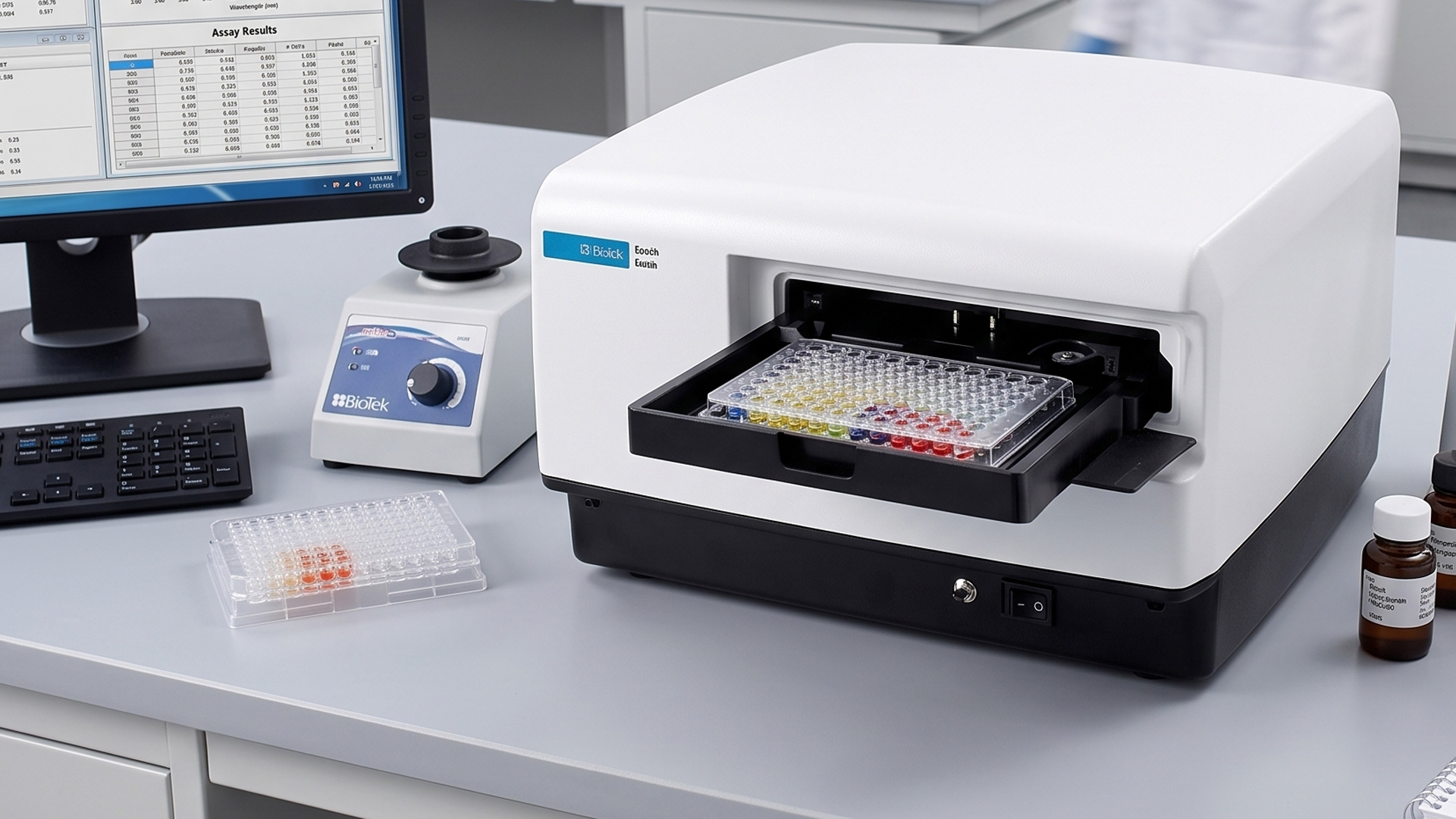
Reliable UV-Vis absorbance detection for nucleic acid, protein, and ELISA quantification – across microplates and, on select models, cuvettes and microvolume samples.

Agilent in India

30+ Years Enabling Indian Labs

Installation, Training, Application & Service Support Across India

Supporting India’s leading research, academic & biopharma institutions
Agilent BioTek microplate spectrophotometers deliver reliable absorbance detection for everyday laboratory workflows. The BioTek Epoch and Epoch 2 use monochromator-based, filter-free optics across a 200–999 nm wavelength range, while the BioTek 800 TS uses a filter-based system optimized for routine ELISA and endpoint assays. Together, this range supports applications from nucleic acid and protein quantification to ELISA, enzyme kinetics, and cell-based assays - across microplates and, on select models, cuvettes and microvolume samples.
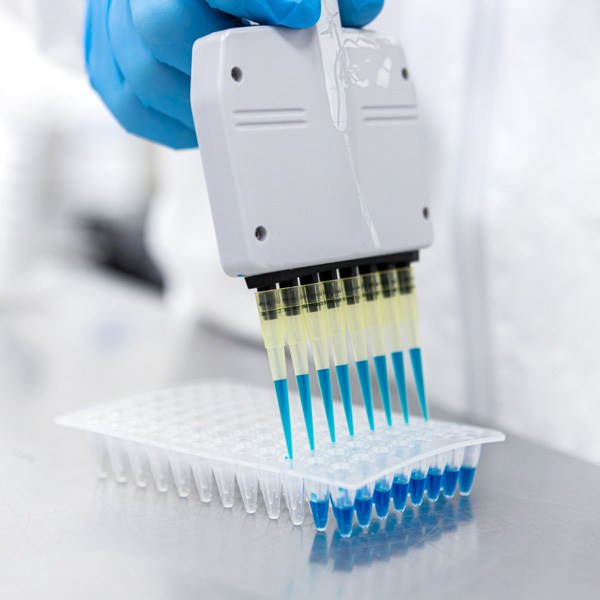


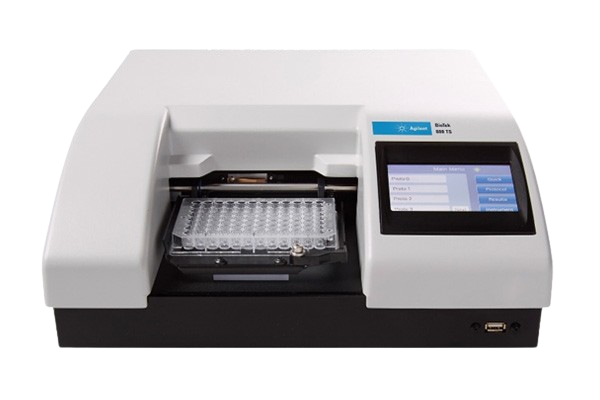
Simple operation, reliable performance, and expandable automation make the 800 TS an ideal solution for routine microplate workflows.
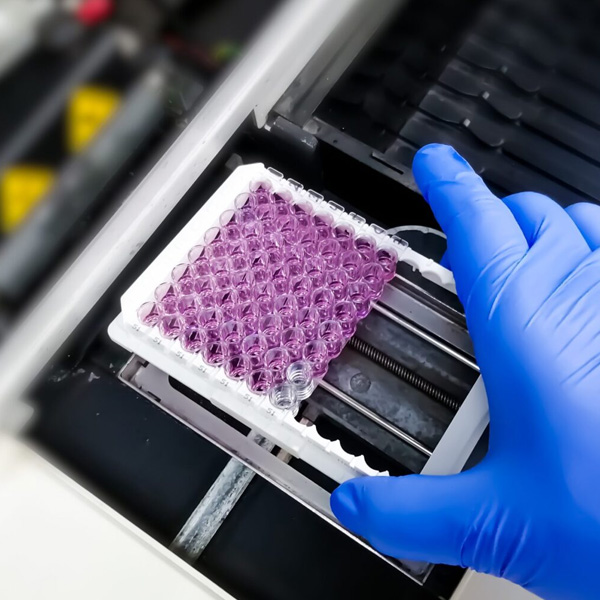
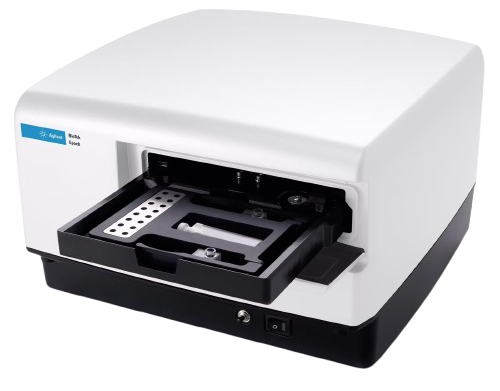
Flexible wavelength selection and automation compatibility make Epoch an excellent choice for high-quality absorbance measurements.
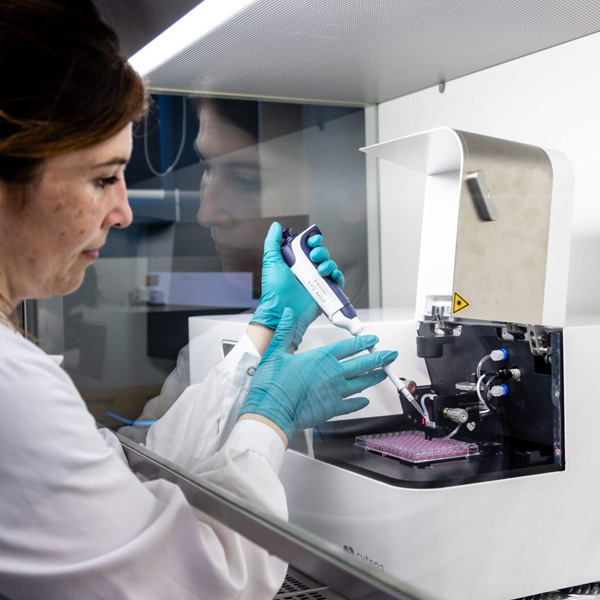
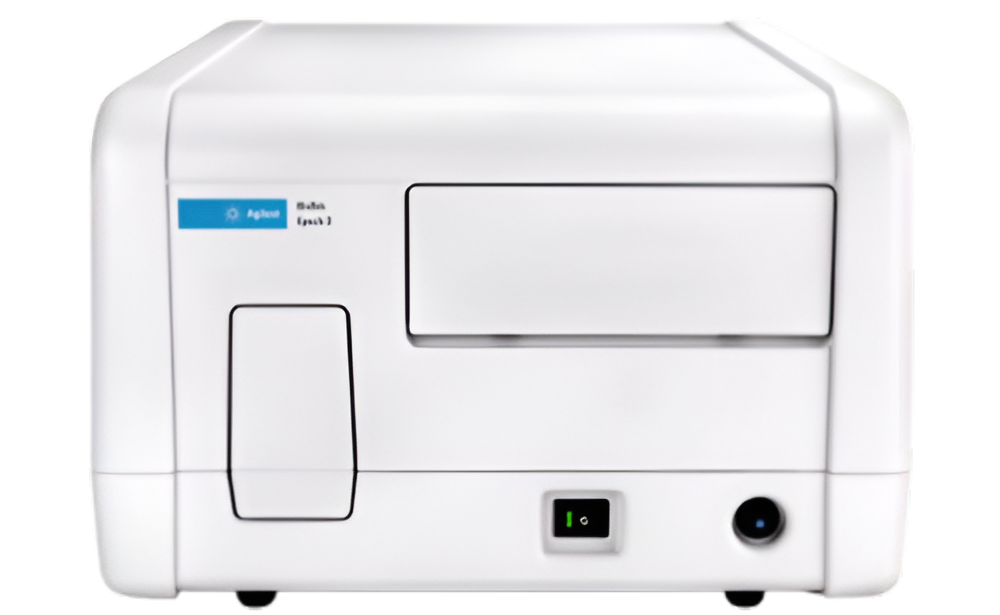
Combining flexible UV-Vis detection, precise incubation, and advanced analysis capabilities, Epoch 2 is ideal for laboratories requiring high-performance absorbance measurements.
| Specification | BioTek 800 TS | BioTek Epoch | BioTek Epoch 2 |
|---|---|---|---|
| Detection mode | Absorbance | Absorbance | Absorbance |
| Plate format | 6–96-well (384-well option)¹ | 6–384-well | 6–384-well |
| Wavelength selection | Filters, 400–750 nm (340–750 nm option)² | Monochromator, 200–999 nm (1 nm steps) | Monochromator, 200–999 nm (1 nm steps) |
| Read modes | Endpoint (standalone); kinetic, area scan via Gen5³ | Endpoint, kinetic, spectral scan, well-area scan⁴ | Endpoint, kinetic, spectral, well-area scan⁴ |
| Microvolume (Take3) | - | Up to 48 × 2 µL | Up to 48 × 2 µL |
| Cuvette port | - | - | Optional port, or Take3/cuvette adapter |
| Incubation | To 50 °C⁵ | - | 4-zone to 65 °C |
| Shaking | Yes, option⁶ | - | Linear, orbital, double-orbital |
| Control interface | Touch screen | PC via Gen5 | Onboard touch screen + Gen5⁷ |
| Software | Gen5 | Gen5 | Gen5 |
| Automation | Pairs with 50 TS washer (semi-automated ELISA) | BioStack ("R" configuration required)⁸ | BioStack, BioSpa 8, and BenchCel compatible |
| Choose it for | Affordable ELISA & endpoint assays | Cost-effective UV-Vis quantification | Versatile incubated & kinetic assays |
What this range of UV-Vis absorbance readers does across every model - with notes on where individual instruments go further.

Epoch and Epoch 2 add filter-free monochromator optics (200–999 nm); 800 TS uses filters (400–750 nm, 340–750 nm UV option)

All models read 6- to 384-well microplates; Epoch and Epoch 2 add Take3 microvolume and (Epoch 2) cuvette support

Endpoint on all models; kinetic and scanning modes built into Epoch/Epoch 2, or available on 800 TS via Gen5

Available on 800 TS (to 50 °C) and Epoch 2 (4-zone to 65 °C); not available on the base Epoch


Epoch (BioStack, “R” config) and Epoch 2 (BioStack, BioSpa 8, BenchCel) integrate with automated systems; 800 TS pairs with the 50 TS washer for a semi-automated ELISA setup








Used by leading institutions driving scientific progress across India and globally.
An absorbance microplate reader measures how much light a sample absorbs at a specific wavelength during a biochemical reaction. The instrument reports results as optical density (OD) or absorbance and is commonly used for ELISA, microbial growth studies, and enzyme kinetics.
Common absorbance assays include ELISA, kinetic ELISA, Bradford and Lowry protein assays, DNA/RNA and protein quantification, DNA purity analysis, and yeast or microbial growth studies. Most assays use 96- or 384-well plates, while selected workflows can process up to four plates simultaneously.
Filter-based readers use optical filters to select specific wavelengths, providing high light transmission. Monochromator-based readers use diffraction gratings, allowing wavelength selection anywhere from 200–999 nm without changing filters, making them ideal for nucleic acid, protein, and colorimetric assays.
In some applications, monochromator optics may be slightly less sensitive because of their longer optical path. However, variable-bandwidth monochromators can improve sensitivity in multiplex assays by narrowing the wavelength range to better isolate individual targets.
Agilent BioTek readers use adjustable optical probes that automatically optimize the read height for different plate types and sample volumes. Users can also manually set the read height when required.
Stable temperature is essential for live-cell assays, enzyme kinetics, and microbial growth experiments. Agilent BioTek readers use 4-Zone incubation technology to provide uniform heating while minimizing edge effects across the plate.
During long kinetic assays, condensation can form on plate lids and interfere with measurements. Agilent BioTek’s Condensation Control feature keeps the lid slightly warmer than the plate to prevent fogging while maintaining the required assay temperature.
Cooling time depends on the incubation temperature and instrument design. Agilent BioTek readers use natural convection with 4-Zone temperature control, so cooling to ambient temperature after high-temperature runs may take some time.
Yes. The Epoch 2 offers an optional cuvette holder for 1 cm pathlength measurements (200–999 nm). A universal cuvette adapter supports up to four stoppered cuvettes, and the Take3 microvolume plate can also accommodate a standard cuvette.
Monochromator-based absorbance readers can quantify DNA, RNA, and proteins using as little as 2 µL of sample with Take3 or Take3 Trio microvolume plates, allowing rapid analysis of up to 16 or 48 samples, respectively.
Medispec India is the authorized channel partner of Agilent laboratory equipment, providing local sales, installation, certification, and service support.

Built on long-term partnerships, Medispec connects global technology innovators with India’s research, healthcare, and life science ecosystem.
All © Rights Reserved Medispec
A Wing, Unit No – 601,
Lotus Corporate Park, Jay Coach,
Off Western Express Highway,
Goregaon (East),
Mumbai – 400063, India