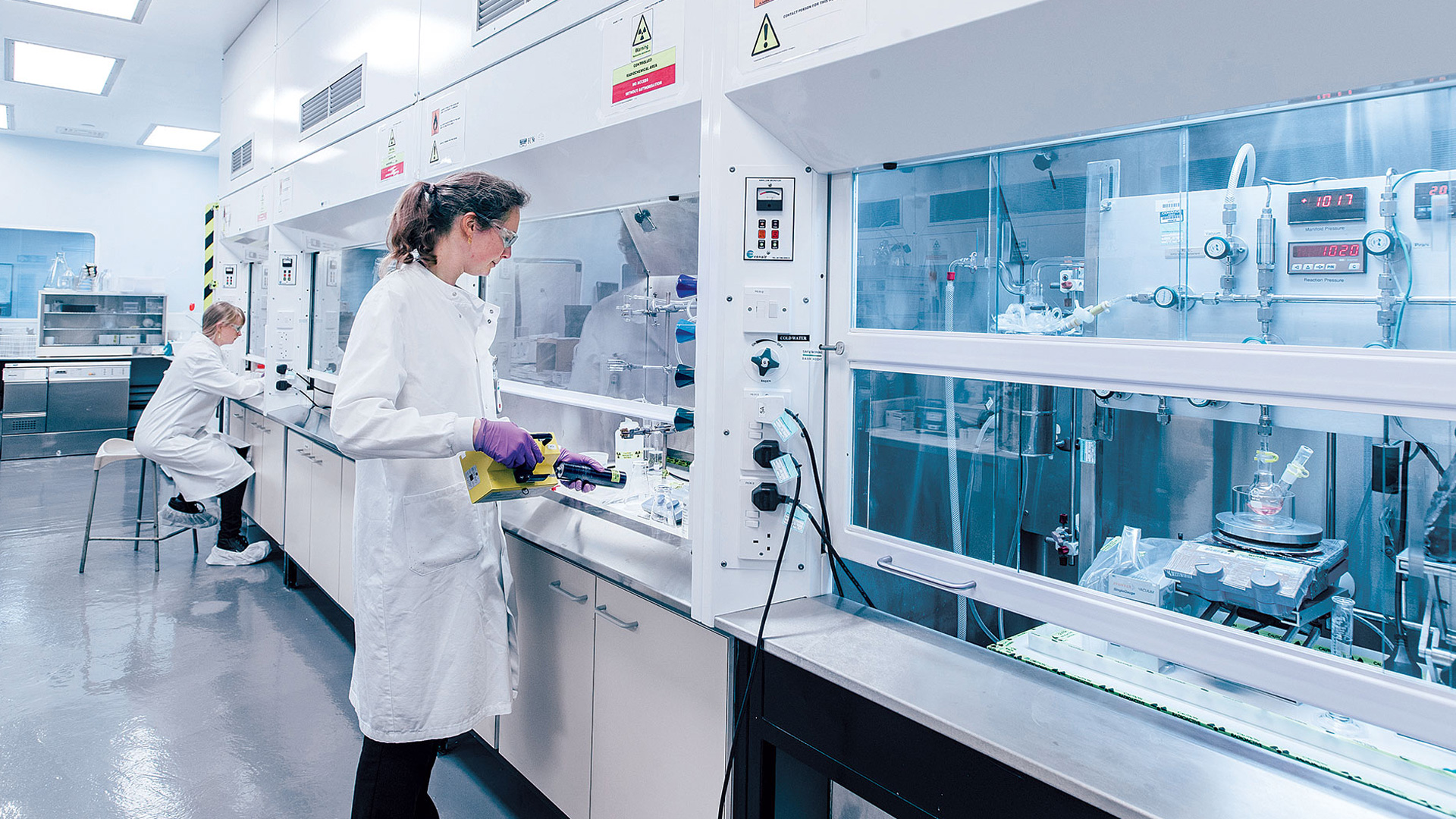
Cardiac RTCA platforms apply label-free impedance technology specifically to beating cardiomyocytes, capturing contractility, electrophysiology, and drug response in real time without dyes or reporters. Using hiPSC-derived or primary cardiomyocytes, researchers can continuously track beat rate, contraction amplitude, and field potential to assess cardiac safety, model disease, and study drug-induced effects on heart cell function.

Agilent in India

30+ Years Enabling Indian Labs

Installation, Training, Application & Service Support Across India

Supporting India’s leading research, academic & biopharma institutions
Cardiac RTCA Systems provide real-time, label-free monitoring of cardiomyocyte function, enabling researchers to assess contractility, electrophysiology, drug safety, and disease progression with high sensitivity. These platforms support advanced cardiac research by delivering continuous functional data from live cells without invasive labeling.

Detect drug-induced changes in cardiomyocyte beating and contractility.

Measure field potential alongside contractility on the same beating cells.
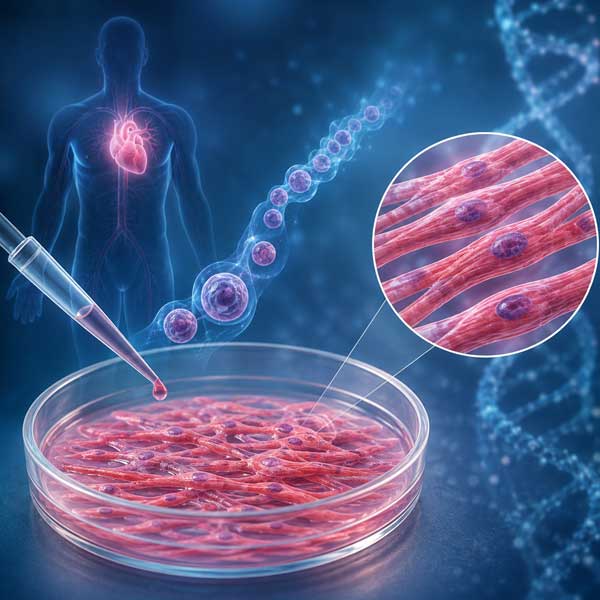
Characterize patient-derived iPSC-CM models of inherited cardiac conditions.
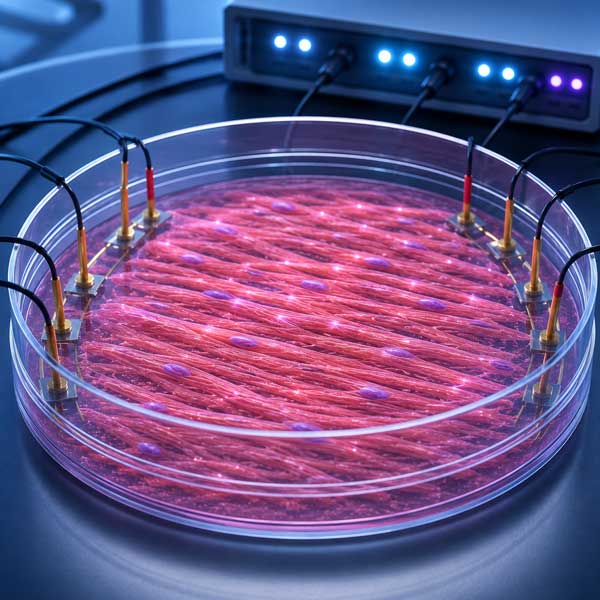
Use directed electrical pacing to mature hiPSC-CMs toward an adult phenotype.
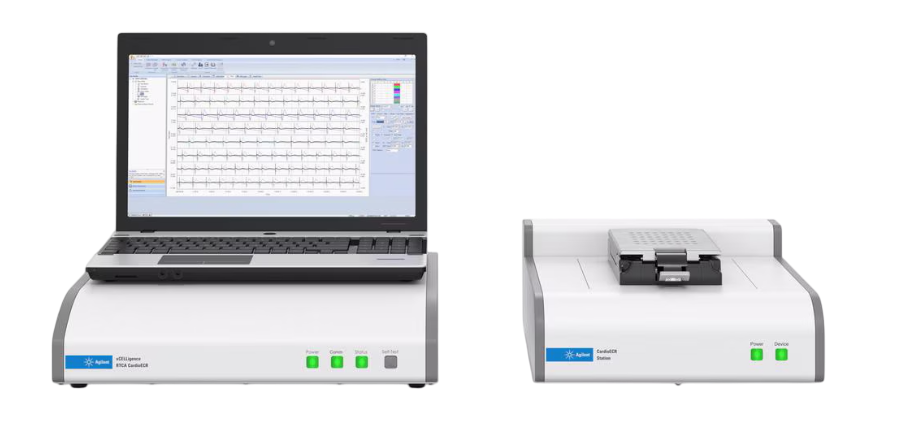
Delivers continuous, real-time assessment of cardiomyocyte contractility for cardiac safety studies without labels or dyes.
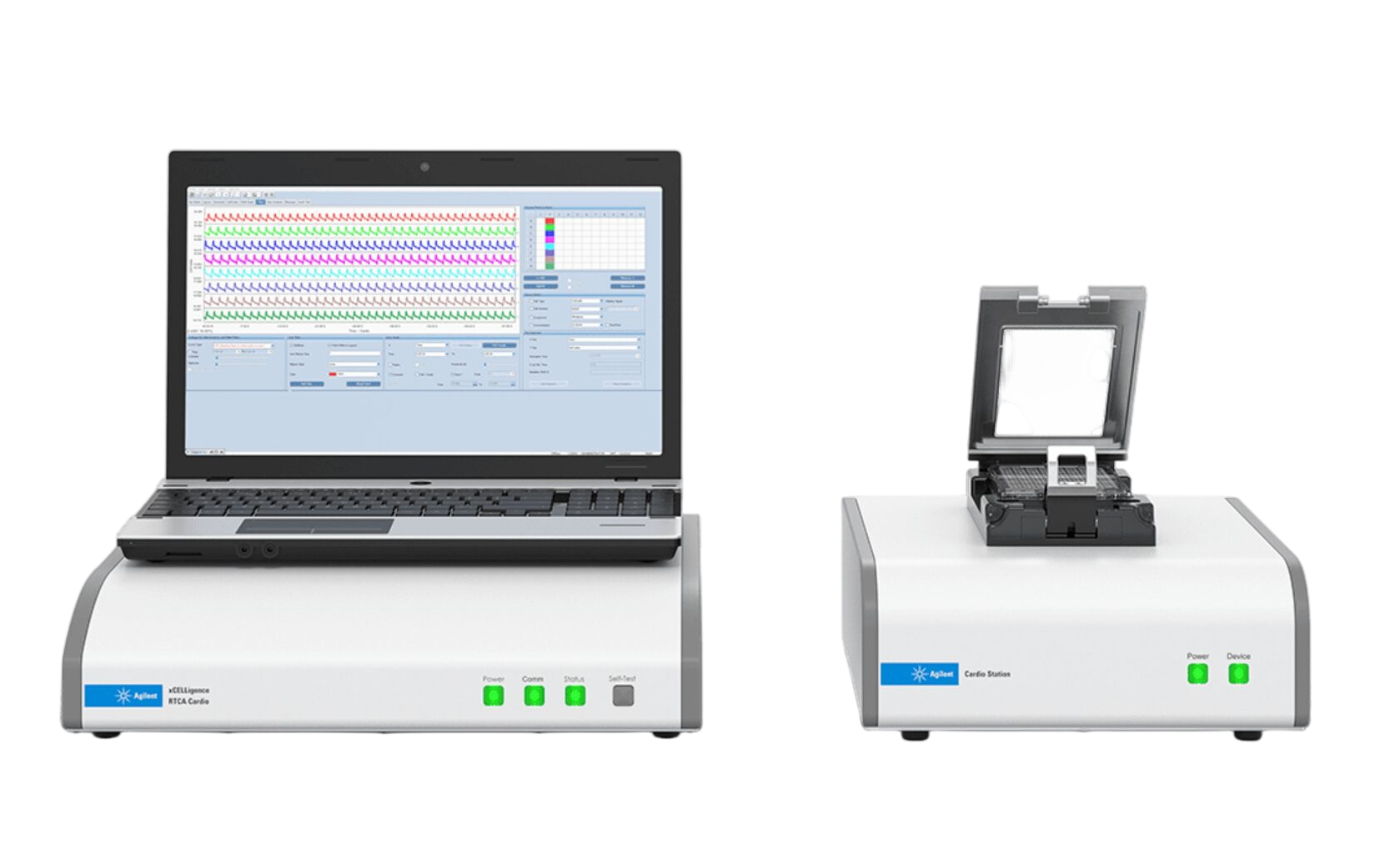
Includes the E-Plate CardioECR 48 with an interdigitated impedance sensor array and dual field-potential electrodes in every well for comprehensive cardiac functional analysis.
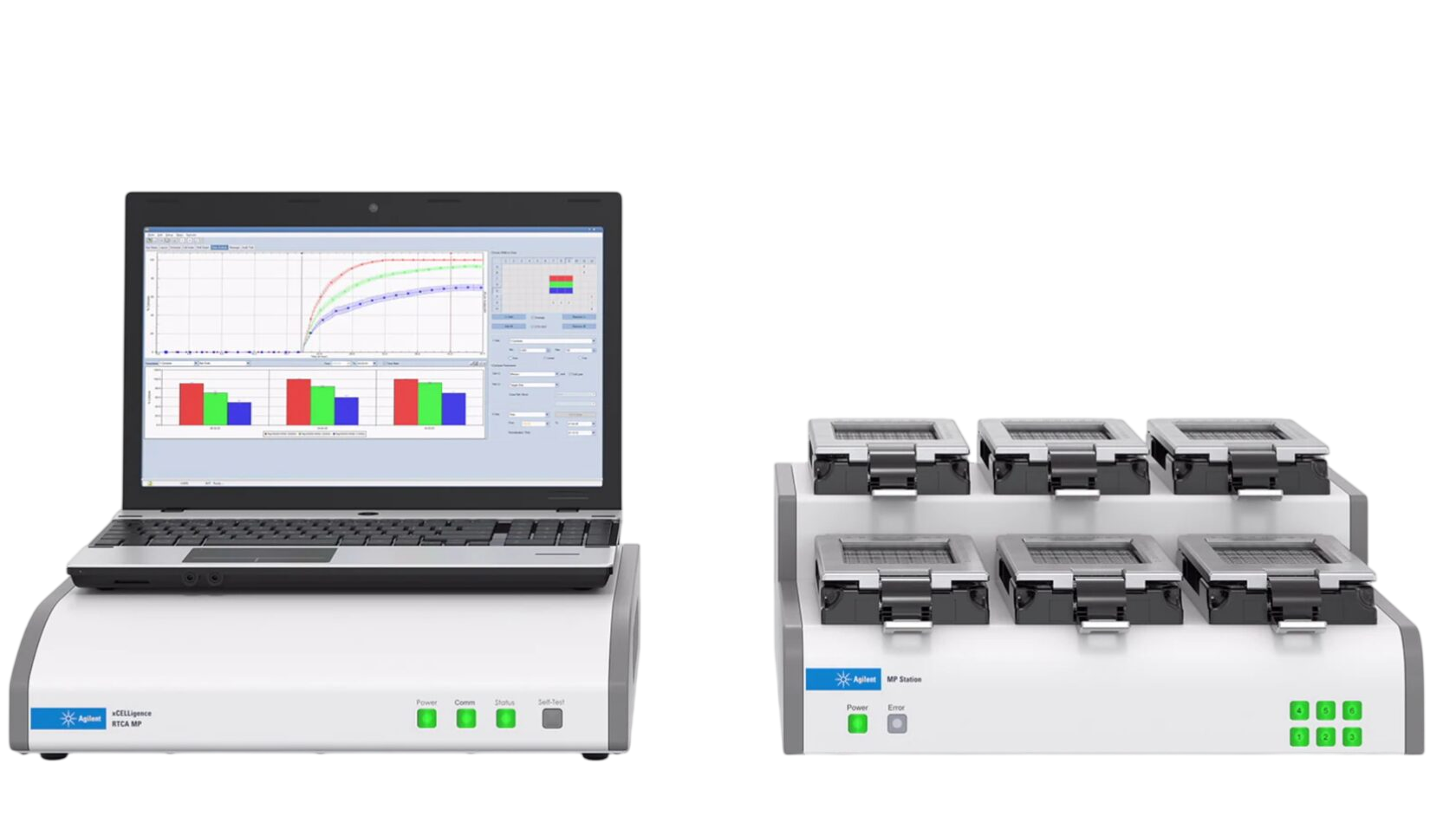
Compatible with six Cardio cradles, six CardioECR cradles, or a mixed 3+3 configuration, providing flexible pacing workflows for advanced cardiac research.
| Parameter | RTCA Cardio | RTCA CardioECR | RTCA ePacer |
|---|---|---|---|
| Well format | 96 | 48 | Up to 6 E-Plates (Cardio or CardioECR) |
| Contractility (impedance) | ✓ | ✓ | Pacing only - readout via Cardio/CardioECR |
| Field potential (electrophysiology) | - | ✓ | - |
| Electrical pacing | - | (acute) | (acute + long-term maturation) |
| Update / Sampling Rate | 12.9 ms/plate | 1–2 ms impedance; 10 kHz field potential | N/A - pacing device |
| Typical Use Case | Cardiotoxicity, inotrope response | Disease modeling, combined contractility + electrophysiology | hiPSC-CM functional maturation |
Advanced real-time analysis tools for cardiomyocyte function, electrophysiology, and cardiac safety screening.













Used by leading institutions driving scientific progress across India and globally.
RTCA continuously monitors live-cell health, behavior, and function using label-free impedance technology. It measures cell number, morphology, adhesion, proliferation, cytotoxicity, barrier function, migration, invasion, stem cell differentiation, and GPCR responses in real time without dyes or labels.
A low-voltage electrical field is applied across gold microelectrode biosensors at the bottom of each well. As cells attach and spread, they impede current flow. This change is converted into a Cell Index, reflecting cell number, morphology, and attachment quality.
xCELLigence E-Plates contain interdigitating gold microelectrode arrays that cover most of the well surface. A small electrical potential is applied across the electrodes, and changes in impedance caused by attached cells are continuously monitored to provide real-time kinetic data.
As cells attach, spread, and divide on the biosensor surface, the Cell Index increases. Continuous impedance monitoring captures the complete proliferation curve instead of a single endpoint measurement.
RTCA uses CIM-Plates with microporous membranes and gold biosensors. As cells migrate through the membrane toward a chemoattractant, impedance increases, allowing real-time measurement of migration and invasion rates.
When cells round up, detach, or undergo lysis, their contact with the biosensors decreases, causing a drop in Cell Index. This enables continuous monitoring of cell death kinetics rather than relying on endpoint assays.
Adherent target cells generate the impedance signal, while nonadherent immune cells contribute little to it. As immune cells kill the targets, impedance decreases, allowing continuous quantification of target-cell cytolysis over time.
Drug treatment alters cell proliferation, morphology, and attachment, producing characteristic changes in Cell Index. Real-time monitoring enables kinetic analysis and time-dependent IC50 calculations while providing insight into drug mechanisms.
Unlike endpoint methods such as Chromium-51 release, LDH, MTT, or flow cytometry, RTCA provides continuous kinetic data. It is label-free, non-radioactive, non-invasive, quantitative, and requires minimal hands-on processing while measuring actual target-cell responses.
The Cell Index reflects cell number, proliferation, morphology, spreading, adhesion, and viability. Changes in any of these cellular properties are detected immediately, enabling continuous monitoring of cell health and functional responses.
In most applications, no. E-Plates feature biocompatible gold biosensors and are ready for direct cell seeding. Precoating is only required for specialized extracellular matrix or barrier-function studies.
Nonadherent cells cannot be monitored directly because they have minimal interaction with the biosensors. However, xCELLigence Immunotherapy (IMT) kits can immobilize suspension cells using antibodies, enabling real-time analysis of immune and hematological cell assays.
Yes. xCELLigence RTCA systems continuously monitor virus-induced cytopathic effects and cell death, providing a label-free, reproducible alternative to traditional plaque assays for virus titer determination and antiviral research.
Medispec India is the authorized channel partner of Agilent laboratory equipment, providing local sales, installation, certification, and service support.

Built on long-term partnerships, Medispec connects global technology innovators with India’s research, healthcare, and life science ecosystem.
All © Rights Reserved Medispec
A Wing, Unit No – 601,
Lotus Corporate Park, Jay Coach,
Off Western Express Highway,
Goregaon (East),
Mumbai – 400063, India